
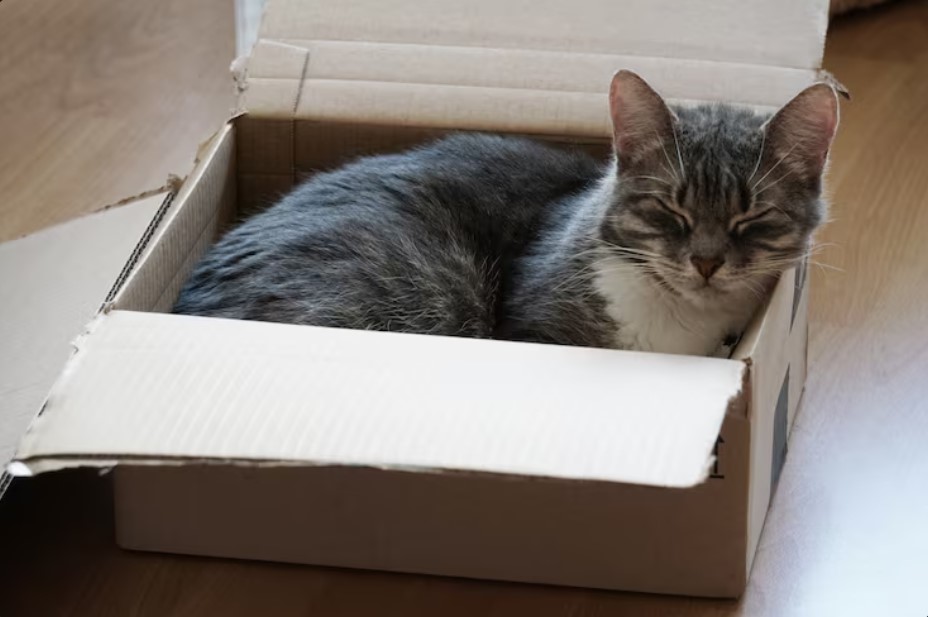
A cat avoiding the litter box can be confusing and frustrating for any pet parent. You may clean the box regularly, provide fresh litter, and still find your cat choosing the carpet, corner, or another unexpected place instead. The reason is often connected to something simple: your cat may not like the litter, the box setup, or the environment around it.
Choosing the right cat litter can make a major difference in your cat’s comfort and daily habits. Cats are naturally clean animals with strong preferences. A small change in texture, smell, location, or cleanliness can make them refuse to use their box.
In this guide, we will explain why cats avoid litter boxes, how to choose the best cat litter for your feline friend, and what steps you can take to create a comfortable bathroom space your cat will actually use.
Why Is Your Cat Avoiding the Litter Box?
Cats rarely stop using their litter box without a reason. Their behavior is usually a way of communicating that something is wrong. Understanding the cause is the first step toward fixing the problem.
1. The Cat Litter Texture Feels Uncomfortable
Cats have sensitive paws, and the texture of their litter matters more than many owners realize. In the wild, cats prefer soft surfaces like sand or soil because they can easily dig, bury waste, and walk comfortably.
Some cats dislike litter with large granules, sharp pieces, or rough textures. If the litter feels uncomfortable under their paws, they may avoid stepping into the box.
Signs your cat dislikes the litter texture include:
- Standing near the box but refusing to enter
- Shaking paws after stepping inside
- Digging less than usual
- Urinating or defecating outside the box
Many cats prefer fine-grain, sand-like litter because it feels natural. If you recently changed your litter brand, your cat may be rejecting the new texture rather than the box itself.
2. The Litter Box Is Not Clean Enough
Cats are extremely clean animals. A dirty litter box can quickly become a reason for avoidance.
Even if the box looks acceptable to you, your cat may notice odors and waste particles that humans cannot detect. A full litter box can make your cat search for a cleaner place.
A good cleaning routine includes:
- Scooping waste at least once daily
- Removing clumps and wet litter regularly
- Washing the litter box with mild soap
- Replacing old litter when odors remain
Cleanliness is especially important in homes with multiple cats. One cat may tolerate a slightly dirty box, while another may refuse to use it completely.
3. Your Cat Dislikes the Litter Type or Scent
Not all cats enjoy the same type of litter. Some pet parents choose scented litter because they want better odor control, but strong fragrances can bother sensitive cats.
A cat’s sense of smell is much stronger than a human’s. A scent that smells fresh to you may feel overwhelming to your pet.
When choosing litter, consider:
- Unscented formulas for sensitive cats
- Low-dust options
- Natural ingredients
- Strong clumping ability
- Easy cleanup
The best cat litter is not always the one with the strongest fragrance. In many cases, cats prefer simple, unscented litter that allows them to feel comfortable.
4. The Litter Box Location Creates Stress
The location of the litter box can affect your cat’s willingness to use it.
Cats prefer quiet, private areas where they feel safe. Placing the box near loud appliances, busy hallways, or areas with frequent foot traffic may create stress.
Avoid placing litter boxes near:
- Washing machines or dryers
- Loud entertainment systems
- Food and water bowls
- Areas where other pets may disturb your cat
Your cat should be able to access the box easily without feeling trapped or threatened.
How to Choose the Best Cat Litter for Your Cat
Finding the right litter requires understanding your cat’s habits and preferences. Every cat is different, but some features generally make litter more comfortable and practical.
Look for a Paw-Friendly Texture
Most cats prefer soft, fine-textured litter because it feels similar to natural soil. Before buying a large bag, try a smaller amount to see how your cat reacts.
If your cat refuses a new litter, do not immediately assume there is a behavioral problem. The texture may simply feel wrong.
Choose Low-Dust Options
Dust from litter can irritate your cat’s nose and respiratory system. It can also create extra cleaning work around your home.
Low-dust litter helps:
- Keep the air cleaner
- Reduce tracking around the house
- Provide a more comfortable experience for cats
This is especially helpful for older cats, kittens, or cats with sensitive breathing.
Consider Odor Control Needs
Odor control is important, but it should not come at the cost of your cat’s comfort.
Look for litter that controls odors naturally through ingredients such as:
- Activated charcoal
- Natural minerals
- Effective clumping materials
A clean litter box with regular maintenance usually provides better odor control than simply using heavily scented products.
Match Your Cat’s Preferences
Your cat’s opinion matters. If your cat consistently avoids a certain litter, switching to another option may solve the issue.
Some cats prefer:
- Clay-based clumping litter
- Natural plant-based litter
- Silica crystal litter
- Unscented formulas
The goal is to find a litter that works for both your cat and your cleaning routine.
Common Cat Litter Mistakes Pet Owners Make
Many litter box problems happen because of small mistakes that are easy to avoid.
Changing Litter Too Quickly
Cats are creatures of habit. Suddenly replacing their familiar litter with a completely different product can cause stress.
A better approach is to transition slowly:
- Add a small amount of new litter
- Gradually increase the amount over several days
- Monitor your cat’s behavior
Using Strongly Scented Products
A fresh-smelling litter box may seem ideal, but strong perfumes can discourage cats from using it.
Cats rely heavily on scent communication. Overpowering smells can make the litter box feel unfamiliar.
Not Providing Enough Litter Boxes
A common recommendation for multi-cat households is one litter box per cat, plus one extra.
For example:
- One cat: Two litter boxes can provide more flexibility
- Two cats: Three litter boxes may reduce competition
Multiple boxes help prevent stress and territorial issues.
Ignoring Behavioral Changes
If your cat suddenly stops using the litter box, do not assume it is only a litter preference issue.
Changes may be linked to:
- Stress
- Household changes
- Pain
- Urinary problems
- Digestive issues
Pay attention to other symptoms and seek veterinary advice if needed.
How to Train Your Cat to Use the Litter Box Again
If your cat has started avoiding the box, you can rebuild positive habits with patience.
Keep the Box Clean
A clean box encourages regular use. Create a consistent cleaning schedule and avoid letting waste build up.
Make the Box Comfortable
Choose a location that is:
- Quiet
- Easy to access
- Safe from other pets
- Away from food areas
Use Gradual Changes
If you need to change litter, avoid replacing everything overnight. A slow transition helps your cat adjust.
Reward Positive Behavior
When your cat uses the litter box correctly, positive reinforcement can help strengthen the habit. Gentle praise or a small treat can encourage good behavior.
When Litter Box Avoidance Could Mean a Health Problem
Sometimes litter box avoidance is not about the litter at all. Cats may avoid the box when they associate it with pain.
Possible health-related causes include:
- Urinary tract infections
- Bladder discomfort
- Constipation
- Arthritis that makes climbing into the box difficult
Watch for warning signs such as:
- Frequent trips to the litter box
- Straining while urinating
- Crying during bathroom use
- Blood in urine
- Sudden changes in bathroom habits
If your cat’s behavior changes suddenly, consult a veterinarian to rule out medical concerns.
Expert Tips for Better Litter Box Habits
Small improvements can make your cat’s litter box experience much better.
Try these expert-backed tips:
- Scoop litter daily
- Keep the box in a calm area
- Avoid unnecessary litter changes
- Choose a comfortable box size
- Provide enough boxes for multiple cats
- Watch your cat’s habits regularly
A comfortable litter setup helps reduce stress and keeps your home cleaner.
Conclusion
Your cat avoiding the litter box is usually a sign that something needs to change. The problem may be as simple as an uncomfortable texture, a strong scent, poor box placement, or an unclean environment.
Choosing the right cat litter and creating a comfortable setup can help your cat return to healthy litter box habits. Start by evaluating your current litter, improving cleaning routines, and choosing a product that matches your cat’s needs.
A better litter experience starts with one simple step: make the box a place your cat feels comfortable using every day. When your cat is happy with their litter, you will notice the difference in both behavior and your home environment.
Frequently Asked Questions
1. Why does my cat suddenly stop using the litter box?
Cats may avoid the litter box because of dirty litter, a new litter type, stress, location changes, or health problems. Finding the exact cause helps solve the issue faster.
2. What is the best cat litter for cats that avoid the box?
The best cat litter depends on your cat’s preference. Many cats prefer soft, unscented, low-dust litter because it feels comfortable and does not overwhelm their senses.
3. How often should cat litter be changed?
Litter should be scooped daily, while a complete litter replacement depends on the litter type and number of cats. Regular cleaning helps prevent odors and encourages consistent use.
4. Do cats prefer scented or unscented litter?
Many cats prefer unscented litter because strong fragrances can be unpleasant. However, every cat is different, so preferences should be observed.
5. How many litter boxes should a multi-cat household have?
A common recommendation is one litter box per cat, plus one extra. This reduces competition and gives cats more choices.